
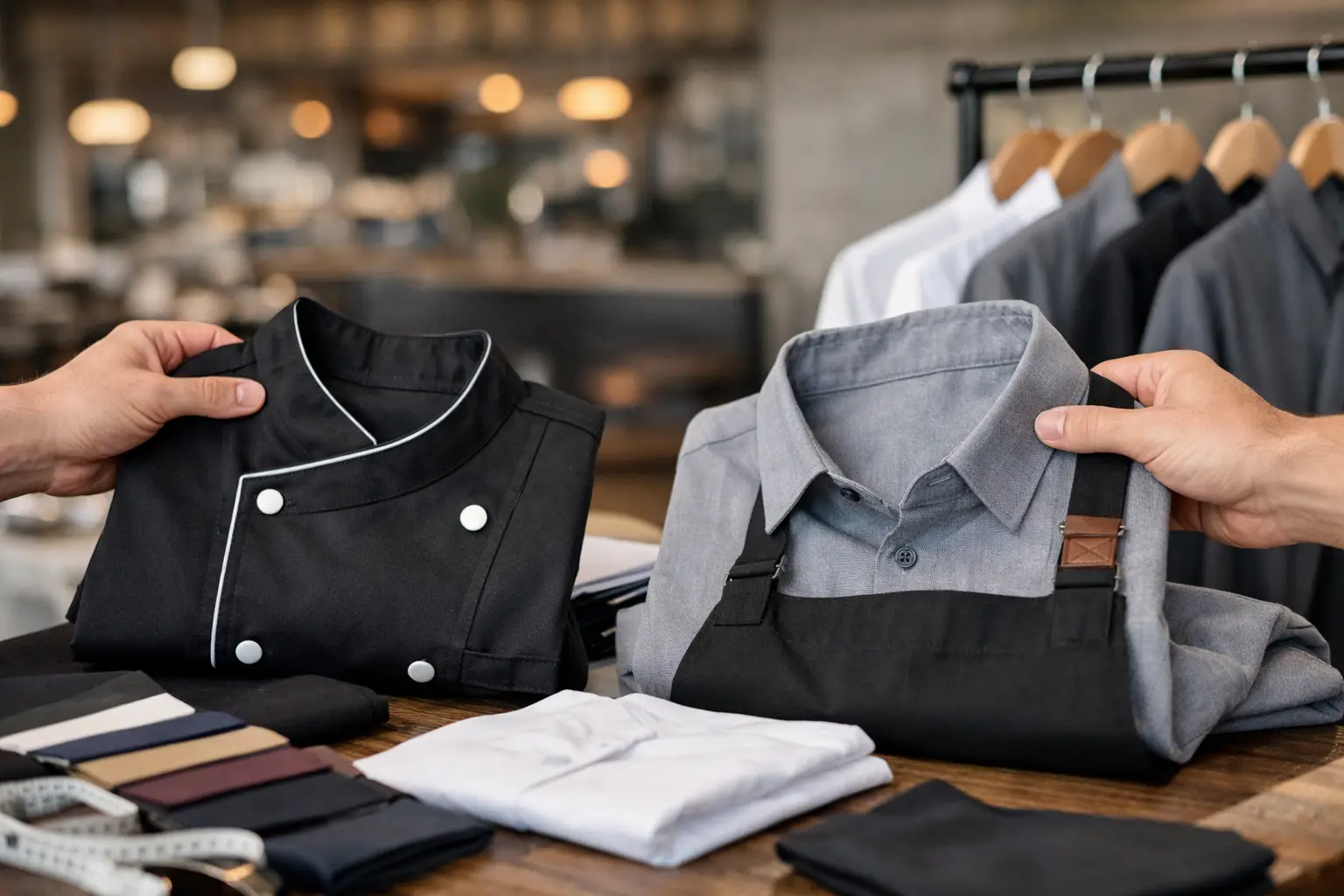
A scrub top can look sharp on a showroom rack and still become a daily frustration after a few long shifts. Fabric affects how staff members move, stay cool, manage spills, and feel at the end of the day. Knowing how to choose scrub fabrics helps healthcare practices, dental offices, veterinary teams, and other professional workplaces build a uniform program that looks polished and holds up to real work.
The right answer is rarely one fabric for every role. A front-desk coordinator, a medical assistant moving between rooms, and a clinician working extended shifts may have different priorities. Start with the work itself, then balance comfort, durability, appearance, care requirements, and budget.
How to Choose Scrub Fabrics by Job Demands
Before comparing fabric labels, consider what your team does during a typical shift. In Southwest Florida, heat and humidity can make breathability a major concern, particularly for employees who move between facilities, vehicles, and outdoor areas. In a climate-controlled setting, a more structured or heavier fabric may be perfectly comfortable and offer a more tailored appearance.
Ask practical questions: Does the team bend, reach, lift, or walk for much of the day? Are they exposed to spills, pet hair, disinfectants, or frequent laundering? Do they need a more formal appearance for patient-facing or front-office work? Fabric selection should support those conditions rather than simply follow a trend.
For example, a busy urgent care team may favor a lightweight stretch blend that keeps up with constant movement. A dental or specialty practice may prefer a smoother, more structured fabric that presents a refined, consistent image. Veterinary staff often need durable material that can tolerate frequent washing and contact with fur, while spa or wellness teams may prioritize a soft hand feel and elevated silhouette.
Understand the Most Common Scrub Fabric Blends
Most quality scrubs are made from blends, not a single fiber. Each fiber contributes something different, and the percentage of each material can change the way a garment performs.
Polyester blends: durable and color-conscious
Polyester is common in workwear for good reason. It is durable, resists wrinkles, dries relatively quickly, and holds color well through repeated washing. For organizations that need staff uniforms to stay consistent over time, polyester-rich blends are often a reliable choice.
The trade-off is breathability. A garment with a high polyester content may feel warmer than a cotton-rich option, especially for employees who run hot or work in humid conditions. Modern performance polyester can improve moisture management, but not every polyester scrub fabric feels the same. Staff should try on samples whenever possible rather than relying on fiber content alone.
Cotton blends: soft and breathable
Cotton gives scrubs a familiar, comfortable feel. It is breathable and can be a good fit for employees who prefer natural fibers or spend much of their shift in a warm environment. Cotton also helps create a softer, less synthetic feel against the skin.
However, cotton can wrinkle more easily, take longer to dry, and fade or shrink if the garment is not cared for properly. A cotton-polyester blend often gives teams a useful middle ground: the softness of cotton with better durability and easier care. For daily uniforms, this balance is often more practical than 100% cotton.
Rayon blends: soft with a more polished drape
Rayon is often used in premium-feeling scrub collections because it creates a soft, fluid drape. It can make scrubs feel less like traditional workwear and more like comfortable, modern apparel. This may appeal to medical offices, aesthetics practices, and wellness businesses where a polished presentation is part of the client experience.
Rayon blends are not always the strongest choice for the most physically demanding environments. They may require more careful laundering, and some fabrics can show wear sooner than a workhorse polyester blend. It depends on whether your priority is a refined feel, maximum durability, or a balance of both.
Spandex or elastane: movement where it matters
Spandex, also called elastane, is added in small percentages to provide stretch and shape retention. Even 2% to 5% stretch fiber can make a noticeable difference during long shifts, especially in fitted scrub tops, jogger pants, and styles with active movement.
Stretch is particularly valuable for clinicians, technicians, veterinary personnel, and staff members who lift, crouch, or reach often. Still, more stretch does not automatically mean better. Highly stretchy fabrics can feel less structured, and some may require gentler care to maintain their recovery over time. Look for fabric that moves comfortably but returns to shape after repeated wear and washing.
Match Weight and Feel to Your Workplace
Fabric weight changes both comfort and presentation. Lightweight scrub fabrics are generally cooler and easier to move in. They are well suited to active roles and warm conditions, but very lightweight material can feel less substantial or show outlines more easily depending on the color and fit.
Midweight fabrics are a practical all-around choice for many teams. They offer enough structure for a professional appearance while remaining comfortable for full shifts. Heavier fabrics can feel substantial and durable, but they may be too warm for employees who work in Florida heat or in fast-paced clinical settings.
Feel matters as much as weight. Some staff members prefer a crisp, traditional scrub fabric, while others want a soft, athletic feel. If you are selecting uniforms for several employees, offer a limited range of approved styles or fabric families when possible. That keeps the team visually consistent without forcing every person into the same feel and fit.
Consider Laundering Before You Place the Order
Scrubs do not succeed in the workplace if they are difficult to maintain at home. Most teams need fabric that can withstand frequent washing without excessive fading, pilling, shrinking, or loss of shape. Review care labels before committing to a style, especially if the practice uses specific sanitation procedures.
Color retention deserves close attention. Navy, black, ceil blue, and other core scrub colors should remain professional after repeated laundering. Dark colors may eventually show lint, pet hair, or fading more readily, while lighter colors can reveal stains. The best choice depends on your environment, your brand colors, and the reality of each role.
Also consider how quickly garments dry. Fast-drying blends can make uniform rotation easier for employees, particularly when shifts are frequent. If staff members are expected to maintain multiple complete sets of scrubs, easy-care fabric reduces complaints and helps protect a consistent appearance.
Choose Fabrics That Work With Decoration
If scrubs will carry an embroidered logo, employee name, department title, or patch, fabric selection affects the finished result. Stable, medium-weight fabric is often easier to embroider cleanly than very thin, slippery, or highly stretchy material. A dense logo on a lightweight knit can pull or pucker if the garment and backing are not properly matched.
Placement matters, too. Left-chest embroidery is common, but pockets, seams, princess panels, and stretch zones can limit the usable decoration area. A well-planned uniform program accounts for the logo size, thread colors, and garment construction before ordering every size and style.
At Sew Shore, the goal is to help teams consider the garment and decoration together, not treat the logo as an afterthought. A sample or test setup can prevent surprises and ensure your branding remains clear, professional, and consistent across the team.
Build Consistency Without Ignoring Individual Needs
A coordinated scrub program does not require every employee to wear the identical garment. Many organizations establish approved colors, logo placement, and a small selection of compatible styles. Employees can then choose a fit and fabric that works for their role and body type while the organization preserves a unified image.
This approach is especially helpful when a practice includes clinical staff, reception personnel, managers, and part-time team members. The group looks connected, but each employee has a practical option for the work they perform. Clear ordering guidelines also make reorders easier when new staff members join.
Test Before Standardizing a Large Order
The most dependable way to select scrub fabric is to test it in real conditions. Have a small group of staff members try sample garments, move through normal tasks, and wash them several times. Ask whether the material feels hot, restrictive, too thin, overly stiff, or difficult to care for. Pay attention to fit after laundering, not just the first try-on.
A short trial can reveal whether a fabric suits your team better than a product description ever could. When uniforms support comfort and confidence, employees are more likely to wear them correctly, care for them properly, and represent your organization well throughout every shift.