A logo on a polo shirt is more than a decoration when it represents your business at a front desk, jobsite, dining room, clinic, or school event. Well-planned embroidery services give employees a consistent, professional appearance while helping customers recognize who they are working with.
For organizations across Naples and Southwest Florida, the difference is often in the details: a logo sized correctly for the garment, thread colors that reflect the brand, names that remain readable, and apparel chosen for the work people actually do. Embroidery is built to last, but the best result starts before the first stitch is sewn.
When Embroidery Services Are the Right Choice
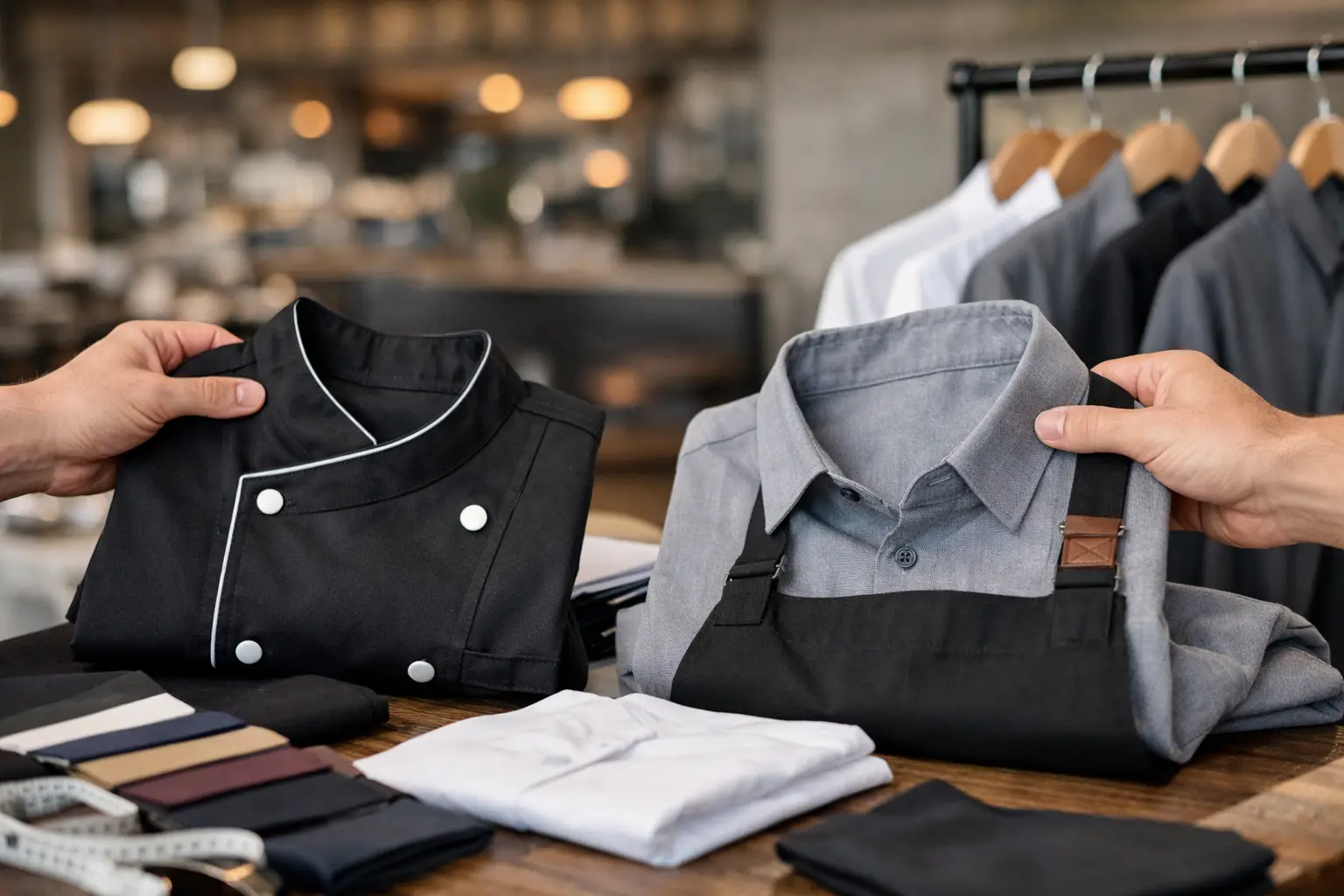
Embroidery is a strong fit for uniforms and branded apparel that need a polished, permanent finish. It works especially well on polos, button-down shirts, outerwear, scrub jackets, hats, bags, aprons, and workwear. The raised texture of thread gives a logo dimension and communicates care without being overly flashy.
A medical office may choose embroidered scrubs and jackets so patients can quickly identify staff. A restaurant may use embroidered polos or aprons to create a coordinated front-of-house look. Contractors often rely on logoed work shirts, safety outerwear, and caps that hold up through frequent wear. Schools, city departments, golf events, and service businesses all benefit from apparel that keeps their teams recognizable in public.
Embroidery is not always the best decoration method, though. Large artwork, detailed photographic designs, or logos with very small lettering may be better suited to screen printing or another process. A dependable apparel partner should explain that trade-off early, rather than force every design into an embroidery setup that will not look its best.
Start With the Garment, Not Just the Logo
The same design can look very different from one garment to another. A structured polo provides a stable surface for a left-chest logo, while a lightweight performance shirt may need a different backing and stitch approach. A thick fleece jacket can support a larger design, but a thin button-down or scrub top calls for restraint.
Before placing an order, consider where the item will be worn, how often it will be washed, and what level of comfort the employee needs. Hospitality staff may prioritize a clean, upscale look. Field crews may need durable shirts, moisture management, or high-visibility options. Healthcare teams may need practical scrub styles available in consistent colors and sizes.
This is where an experienced local shop adds value. Rather than selecting apparel from a catalog alone, you can match the garment to the job and the embroidery to the garment. United Uniforms / Sew Shore has served the area since 1986, helping organizations balance appearance, comfort, and long-term wear.
Logo Size and Placement Matter
Left-chest embroidery is the most common placement for a reason: it is visible, professional, and works across many uniform types. It is also not the only option. A cap may call for centered front embroidery. A jacket can carry a left chest logo with a name or department designation on the opposite side. Bags, sleeves, and apron bibs can provide useful branding space when the layout is planned carefully.
Bigger is not automatically better. An oversized logo can distort lightweight fabric or feel out of place on a refined uniform. Conversely, lettering that is too small may lose clarity in thread. The goal is a mark that reads clearly from a reasonable distance and feels proportionate to the item.
The Digitizing Process Sets the Standard
Embroidery machines do not simply print a digital image onto fabric. Your artwork must be converted into a stitch file through a process called digitizing. This file tells the machine how to build the design, including stitch direction, density, underlay, thread changes, and sequence.
Quality digitizing is a major reason one embroidered logo looks crisp while another looks crowded or uneven. It accounts for the natural movement of fabric and the way thread behaves on different materials. Curved text, fine lines, small details, and color transitions all require judgment.
For a new logo, expect a proof or sew-out review before a full production run whenever appropriate. This is the time to confirm thread colors, placement, and readability. It is far easier to adjust artwork before the order is produced than after uniforms have been distributed to a team.
If your organization already has a logo, provide the best artwork available. Vector files are often ideal, but high-quality image files can also help the design team evaluate what is possible. A good embroidery partner will be straightforward if an element needs to be simplified to produce a clean result.
Plan for Consistency Across Departments and Reorders
Many uniform programs start with one department, then expand. A new location opens, seasonal staff comes aboard, or a manager needs replacement shirts for new hires. That makes consistency essential.
Once a design is approved, keeping the same logo file, thread colors, placement specifications, and garment standards makes reorders easier. It also helps maintain a unified image across office staff, field teams, supervisors, and customer-facing employees. A restaurant with multiple shifts or a healthcare practice with several providers should not have to reinvent its uniform program every time it places an order.
Names, titles, and department identifiers can also be added without changing the core logo. For example, a clinic may embroider the practice logo on every jacket, then add individual names to make introductions easier for patients. A hotel may use the same logo on staff polos while distinguishing maintenance, housekeeping, and management with role-specific apparel colors or name embroidery.
What to Confirm Before You Place an Order
Clear information at the start prevents delays and helps production move efficiently. Your embroidery provider will need the logo artwork, quantity, garment choices, sizes, decoration locations, and any individual names or special instructions. For organizations ordering for a group, it is helpful to organize sizes and personalization in one final list before production begins.
Ask about the proofing process, expected turnaround time, minimum quantities, and reorder procedures. If you have a deadline tied to a grand opening, tournament, staff onboarding, conference, or holiday season, share it early. Rush requests may be possible depending on garment availability and production schedules, but planning ahead offers the broadest selection and the least pressure.
Customer-supplied apparel deserves special consideration. Some shops can embroider it, while others may have limitations because fabric quality, seams, garment condition, and replacement availability affect the outcome. Bring up supplied goods before making a purchase so the provider can explain its policy and inspect whether the item is suitable for embroidery.
Think Beyond the First Order
The strongest branded apparel programs are easy to maintain. Instead of treating uniforms as a one-time purchase, build a practical system for new employees, seasonal needs, manager replacements, and event apparel. Keeping approved styles and colors on record saves time when the next order is needed.
It can also be helpful to create a small range of coordinated options. A polo for everyday customer service, an outer layer for cooler mornings, a cap for outdoor work, and a more polished button-down for events can all carry the same visual identity. Employees get appropriate clothing for different roles, and your brand stays consistent without looking repetitive.
Great embroidery does not begin with a machine. It begins with a conversation about your team, your logo, and the impression you want to make every time someone walks through the door, answers a call, or arrives at a jobsite.