
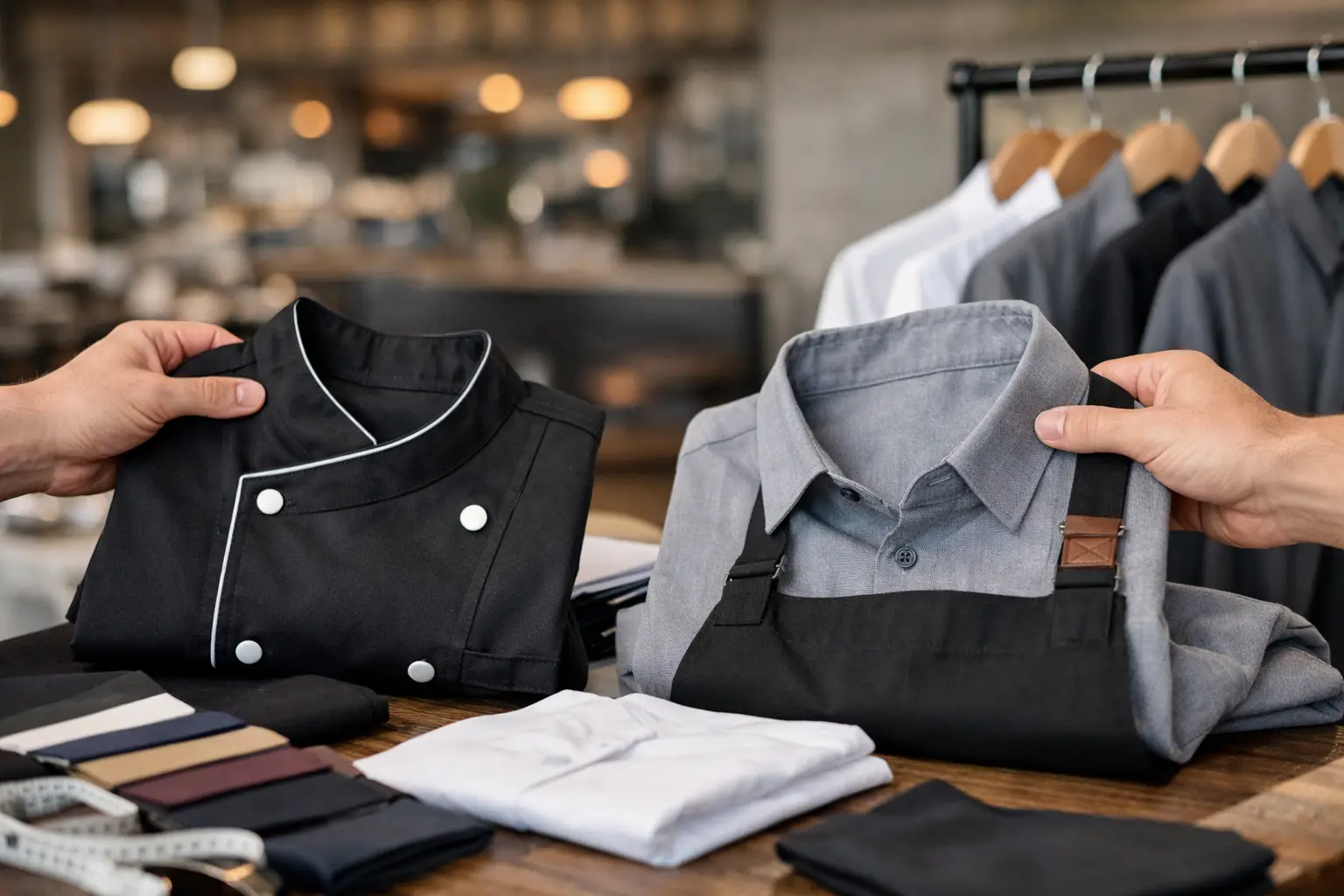
A missing polo shirt at 7 a.m., a new hire with no scrub top, or a restaurant team wearing three different shades of black can make a uniform program look disorganized fast. This uniform inventory management guide is built for the people responsible for keeping staff prepared, professional, and on-brand without turning a supply closet into a guessing game.
For schools, medical offices, restaurants, service companies, government departments, and growing local businesses, uniform inventory is more than counting shirts. It affects employee confidence, customer perception, safety requirements, purchasing costs, and how quickly a new team member can get to work. The right system does not need to be complicated. It needs to fit the way your organization actually operates.
Start With a Clear Uniform Standard
Inventory is difficult to manage when the uniform itself is not clearly defined. Before counting what you have, decide what every role is expected to wear. A front-desk employee may need embroidered polos and name badges, while field staff need moisture-wicking work shirts, high-visibility layers, and durable pants. A healthcare practice may have color-coded scrubs by department, plus embroidered jackets for patient-facing staff.
Write down the approved garment, color, logo placement, decoration method, and any required accessories for each role. This becomes your uniform standard. It prevents well-intended substitutions that leave a team looking mismatched and helps your purchasing team order the correct items every time.
Be realistic about what needs to be stocked. If employees can choose from multiple approved styles, inventory will naturally be broader. That can work well for comfort and retention, especially with scrubs and workwear, but it requires tighter tracking. Organizations that need strict visual consistency may prefer a smaller range of approved options.
Build Your Uniform Inventory Management System
A good system begins with a baseline count. Pull everything from storage, separate usable garments from damaged or outdated pieces, and count each approved item by style, color, size, and decoration status. An undecorated navy polo is not interchangeable with an embroidered navy polo when a new employee starts tomorrow.
A spreadsheet can work for a small team with limited styles. For larger organizations or departments with frequent turnover, inventory software or a managed uniform program may be worth the added structure. The tool matters less than keeping it current and assigning one person or department to own the process.
Your inventory record should include these details:
- Garment style, brand, color, and item number
- Size and quantity on hand
- Decoration status, such as blank, embroidered, printed, or patched
- Employee assignment, if an item is issued to a specific person
- Date received, issued, returned, repaired, or retired
- Reorder point and expected supplier lead time
This level of detail makes a difference when a manager asks whether there are enough medium polos for a hiring push or whether an older logo is still sitting in storage. It also helps separate active inventory from unusable items that should not be counted as available.
Organize Stock for Fast Access
Label shelves, bins, and garment bags by product type and size. Keep frequently issued items, such as standard polos or scrub tops, at eye level and near the front. Store seasonal layers, specialty sizes, and event apparel separately so they do not get mixed into daily uniform stock.
Use a first-in, first-out approach whenever possible. This is especially helpful for apparel with changing logos, updated color standards, or limited event dates. Older approved inventory should be issued before newer stock, provided its condition remains professional.
Set Reorder Points That Reflect Real Hiring Needs
The most common inventory mistake is ordering only after the last item has been issued. That approach leaves no room for shipping delays, production schedules, employee exchanges, or an unexpected new hire. Instead, set a reorder point for each core item.
A simple starting formula is average monthly usage multiplied by lead time, plus a safety quantity. If your company issues six embroidered polos per month, your typical turnaround is three weeks, and you want a buffer of six polos for replacements and onboarding, your reorder point should be well above zero.
The right buffer depends on your organization. A restaurant that adds seasonal staff before busy months may need a larger inventory of common sizes. A medical office with stable staffing may carry fewer extras but keep one or two complete new-hire sets ready. Government or institutional buyers may also need to account for approval steps and purchase-order timing before an order can be placed.
Do not set the same reorder point for every size. Most teams use certain sizes more often, and those patterns should guide your stock levels. Review actual issue history rather than relying on assumptions. Extra-small, 2XL, and 3XL garments may be issued less often, but they can take longer to source or decorate, so they still deserve planned coverage.
Separate Everyday Stock From New-Hire Kits
One of the easiest ways to reduce morning emergencies is to create ready-to-issue new-hire kits. Each kit should contain the standard items a new employee needs for their role, with sizing handled before the employee’s first day whenever possible.
For example, a service technician kit might include embroidered work shirts, a lightweight outer layer, a hat, and a name patch. A hospitality kit may include branded polos, aprons, and an approved name tag. The exact contents vary, but the principle stays the same: do not build every new-hire order from scratch after someone has already started.
Keep new-hire inventory separate in your records, even if it shares the same storage room. This makes it easier to see whether operational stock is being consumed by onboarding and when kits need to be replenished.
Control Costs Without Cutting the Wrong Corners
Uniform spending can rise quietly through rush orders, duplicate purchases, unreturned garments, and obsolete logoed apparel. Inventory control gives you visibility, but it should not mean buying the least expensive shirt available. A lower-cost garment that fades, shrinks, or fails under daily use can create more replacement expense and reflect poorly on your business.
Focus on total cost over the life of the garment. Consider durability, comfort, laundering needs, decoration compatibility, and the role the employee performs. Embroidery often provides a polished, long-lasting look for polos, jackets, and professional apparel. Screen printing may be the better fit for larger graphics, event shirts, or higher-volume orders. The best choice depends on the garment, artwork, quantity, and intended use.
Establish clear rules for replacements. Decide when a worn item can be exchanged, whether employees return old branded apparel, and who approves additional pieces beyond the standard allotment. These policies protect your budget while treating employees fairly.
Plan for Logo Changes, Seasonal Demand, and Growth
A uniform program is not static. New locations, rebrands, employee promotions, school seasons, and Florida’s weather all affect what should be on hand. Review inventory at least quarterly and before known busy periods. For many organizations, that means planning before seasonal hiring, school starts, major events, or the arrival of colder-weather layers.
When your logo changes, stop ordering old branded pieces as early as possible. Remaining inventory may still be useful for internal work, donation, or controlled phase-out, but it should not continue entering normal circulation without a plan. Coordinate the transition so employees are not left wearing a mix of old and new branding longer than necessary.
Growth also changes the value of standardization. A five-person business may handle orders informally. At 25 or 50 employees, an approved garment list, size records, reorder points, and defined ordering authority become essential. Small process improvements made early can prevent a costly cleanup later.
Work With a Uniform Partner That Knows Your Program
Your decoration partner should understand more than your logo file. They should know which garments are approved, how each item is decorated, what sizes move most often, and when your organization typically needs to reorder. That context reduces errors and makes recurring orders more efficient.
For Southwest Florida organizations, Sew Shore can help build a coordinated apparel program that accounts for work requirements, branding standards, garment choices, embroidery, screen printing, patches, and ongoing replenishment. A local partner is particularly valuable when you need to compare garments in person, confirm logo placement, solve a sizing issue, or prepare for a time-sensitive staff rollout.
Keep a current record of approved artwork, thread colors, print specifications, and placement instructions. This protects brand consistency even when the person placing the order changes.
A well-managed uniform closet should feel quiet and predictable. When the right sizes, garments, and branded pieces are ready before they are needed, your team can focus on serving customers, patients, students, and the community with a professional appearance that holds up every day.