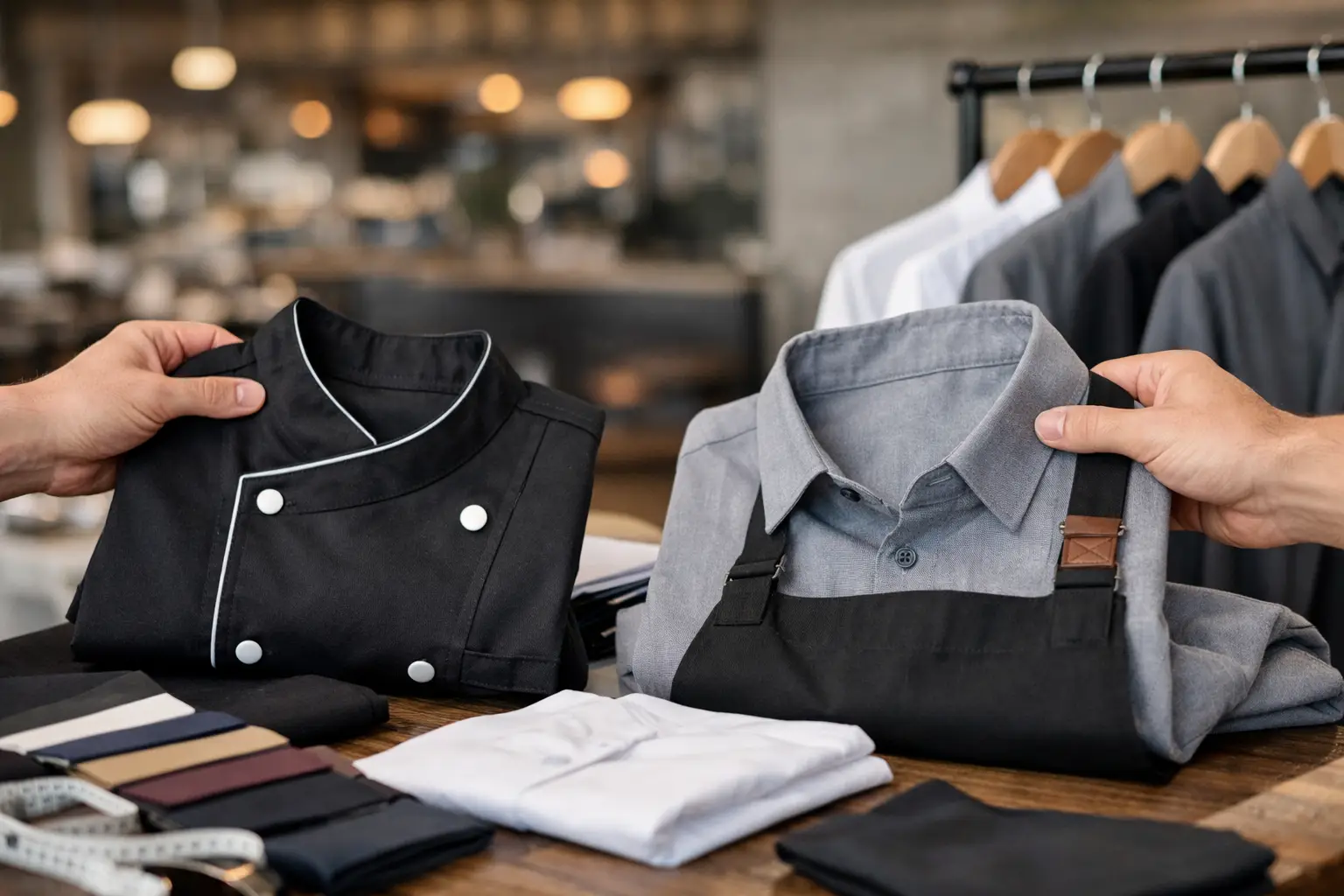
A uniform program is rarely just about putting a logo on a shirt. For a medical practice, it can help patients identify the right person at a glance. For a restaurant, it sets the tone before a guest hears a greeting. For a construction crew or municipal department, it supports safety, role recognition, and a professional public image. Well-planned custom uniforms give your team a consistent look while meeting the practical demands of the job.
The best choices start with the work itself. Fabric, fit, decoration method, garment color, and reorder availability all affect whether apparel becomes a point of pride or a source of daily frustration. A local partner that understands both uniforms and decoration can help your organization make decisions that hold up beyond the first order.
Start Custom Uniforms With the Job, Not the Logo
Your logo matters, but it should not be the first decision. Begin by looking at where employees work, how they move, what they carry, and what they need to feel comfortable through a full shift.
A front-desk team may need polished polos, button-downs, cardigans, or branded outerwear that creates a coordinated appearance without feeling overly formal. A landscaping company needs breathable shirts with room for movement, plus durable outer layers for changing weather. Healthcare teams may need scrubs with useful pocket placement, stretch, easy-care fabric, and colors that match department requirements.
This is where one-size-fits-all orders often fall short. A lightweight performance polo may be excellent for a golf event or outdoor sales team but less appropriate for a kitchen staff that needs more substantial coverage. Similarly, a heavyweight work shirt may look durable but feel uncomfortable for employees working outdoors during a Southwest Florida summer.
Ask employees who will wear the garments for practical input before finalizing the order. They can often point out issues a manager may not see, such as limited pocket space, restrictive sleeves, fabric that holds heat, or a fit that does not work across a diverse team. A uniform only supports your brand when people are willing to wear it correctly and comfortably.
Choose Decoration for the Garment and the Workday
Embroidery and screen printing both create a professional result, but they serve different purposes. The right method depends on your artwork, fabric, quantity, budget, and the look you want to achieve.
When Embroidery Makes Sense
Embroidery gives polos, woven shirts, jackets, hats, bags, and corporate apparel a dimensional, established look. It is especially popular for professional offices, hospitality teams, golf groups, healthcare practices, and organizations that want a long-lasting logo on structured garments.
Small details need attention. Very fine lettering, tiny design elements, and color gradients may not reproduce well in thread. A knowledgeable production team can recommend adjustments that preserve the character of your logo while making sure it stitches cleanly. Placement also matters. The traditional left-chest location is a dependable choice, while sleeves, collars, and caps can add distinction when used thoughtfully.
When Screen Printing Is the Better Fit
Screen printing is often the strongest option for T-shirts, event apparel, spirit wear, sports teams, large back designs, and bold graphics. It is efficient for larger quantities and allows artwork to make a statement across a broader print area.
For outdoor crews and active teams, screen printing can be a practical choice on moisture-wicking shirts, provided the garment and ink system are selected to work together. It is also useful when a design includes larger text, sponsor names, event details, or a graphic that would be too large or detailed for embroidery.
Neither method is automatically better. Embroidery may look more refined on a corporate polo, while screen printing may deliver more impact and value for a school fundraiser. The goal is to match the decoration to the garment’s purpose rather than force every item into the same treatment.
Build a Uniform Program People Can Reorder
A good initial order is only the beginning. New hires arrive, sizes change, departments expand, and seasonal needs shift. Planning for reorders from the beginning protects your team from mismatched colors, discontinued garments, and inconsistent logo placement later.
Choose core garments from reliable product lines with a reasonable likelihood of continued availability. It is wise to establish approved colors, logo locations, thread or ink colors, and garment options for each role. That does not mean every employee must wear the exact same item. A coordinated program can include polos for office staff, performance shirts for field teams, jackets for supervisors, and hats for outdoor personnel while still looking like one organization.
For larger teams, create simple standards: which garments are approved, who receives which items, whether names or titles are included, and how replacement orders are handled. These details make purchasing easier for office managers and help maintain consistency when more than one person places orders.
At United Uniforms / Sew Shore, custom programs can be planned with future needs in mind, drawing on local experience serving organizations across Southwest Florida since 1986. That approach is especially useful for schools, practices, restaurants, public agencies, and businesses that need dependable repeat ordering rather than a one-time event shirt.
Do Not Treat Sizing as an Afterthought
Sizing is one of the most common reasons uniform orders create unnecessary stress. Brands fit differently, and a size chart alone does not always answer the question of how a garment will feel during a long shift.
Whenever possible, review samples or arrange a sizing process before placing a substantial order. Give employees a clear deadline to submit sizes, and account for a few extra pieces in common sizes if your budget allows. Extras can be valuable for new employees, replacement needs, and last-minute staffing changes.
Consider the garment’s intended use as well. A tailored button-down may require a different sizing approach than a relaxed work shirt. Unisex shirts can be practical for some teams, but they may not offer the fit every employee prefers. Offering compatible men’s and women’s styles in the same color family can improve comfort without sacrificing a unified appearance.
Keep Your Brand Visible Without Overloading the Garment
A uniform should make identification easy, not turn every employee into a billboard. In most customer-facing settings, a clean left-chest logo and a consistent garment color are enough to create recognition. A name, title, department, sleeve logo, or back print can be useful when it serves a clear purpose.
For example, a restaurant may use embroidered names to make service feel more personal. A property management team may add job titles to help residents identify maintenance, leasing, and security personnel. A school club or sports team may need a larger back design for visibility at events. Each addition should have a reason tied to the work or audience.
Color should be considered from both a branding and operational standpoint. White and light colors can look crisp in an office but show stains quickly in food service or field work. Dark colors can be forgiving and polished, though they may absorb more heat outdoors. High-visibility apparel may be necessary for certain job sites, while healthcare departments may use color coding to distinguish roles.
Plan the Timeline Before You Need the Apparel
Custom work requires production time. Artwork may need preparation, logos may need to be digitized for embroidery, garments need to be received, and every item needs to be decorated and checked. Rush requests are sometimes possible, but they can limit garment choices and add pressure to decisions that deserve care.
For new uniform programs, start the conversation several weeks before a grand opening, onboarding date, season launch, conference, or event. Bring your logo files if available, along with estimated quantities, size ranges, garment preferences, and the date you need the order in hand. If you are replacing an existing program, bring a sample garment or clear photos to help identify the current color and decoration details.
Clear information at the beginning helps prevent surprises later. It also gives your production partner room to recommend alternatives if a preferred item is unavailable or if another decoration method would produce a better result.
A Professional Look Should Be Easy to Maintain
The strongest uniform programs are practical enough to survive real workdays and organized enough to stay consistent as your team changes. Start with garments that fit the job, choose decoration that respects your logo, and set standards that make reordering simple.
When your employees look prepared, customers notice. More importantly, your team has apparel they can wear with comfort and confidence – shift after shift, season after season.