A uniform program often gets noticed first when it is not working. A new hire receives a different shirt color, a restaurant team runs short on aprons during season, or a medical office has staff wearing mismatched scrubs. Well-planned workplace uniforms prevent those daily distractions while giving employees a professional, consistent look that customers can recognize immediately.
For businesses and organizations across Southwest Florida, uniforms are not simply clothing with a logo added at the end. They are part of how a team works, how a brand is remembered, and how confidently employees represent the organization. The best programs balance appearance with comfort, job requirements, budget, and the ability to reorder when the team changes.
Workplace Uniforms Start With the Work
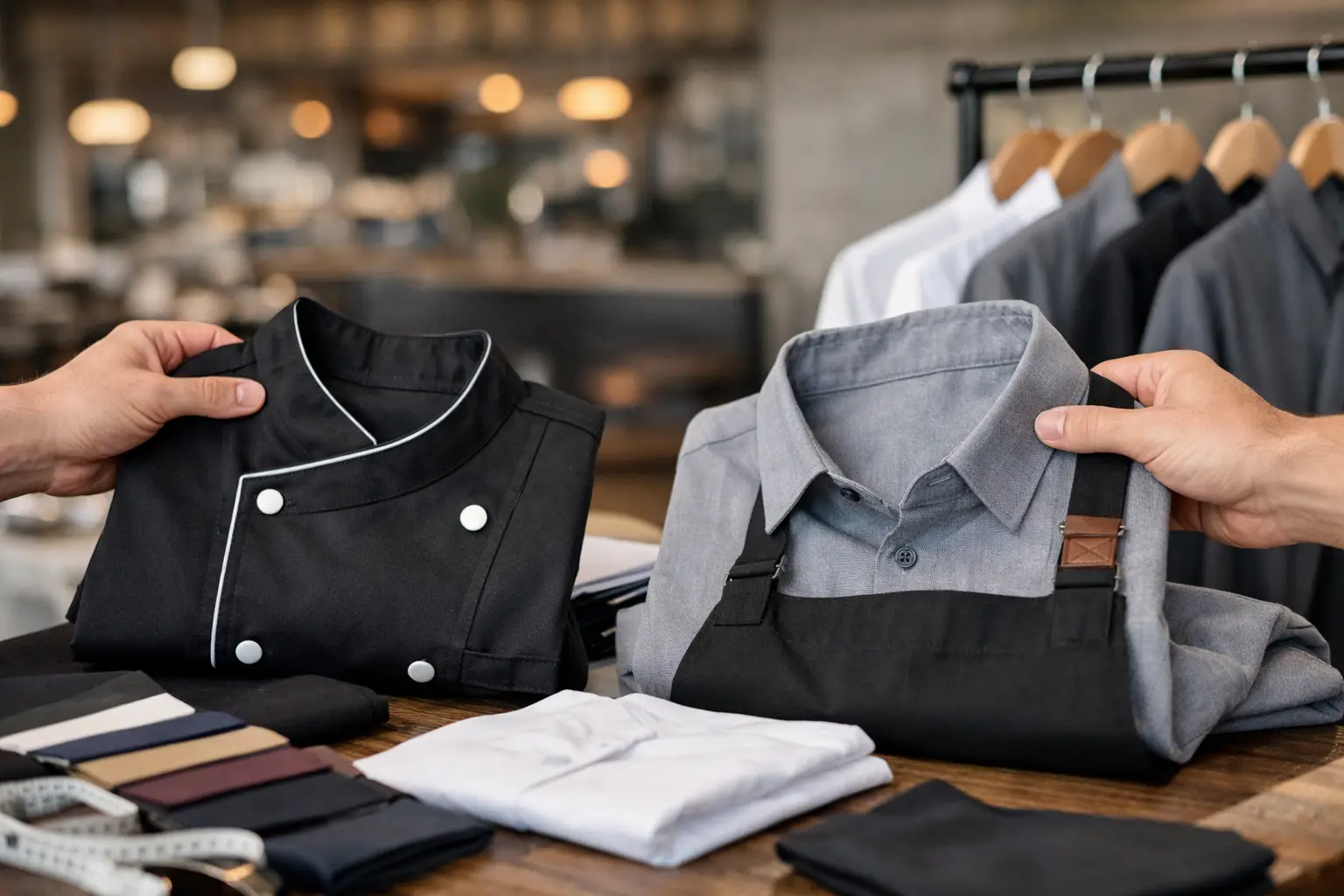
The right uniform depends on what employees do during their shift. A front-desk team may need polished polos, button-downs, or branded layers that support a welcoming first impression. A landscaping crew needs breathable, durable shirts that hold up in heat, sun, and frequent washing. Healthcare teams need scrubs with practical pockets, reliable sizing, and colors that align with office standards. Hospitality staff may need several coordinated pieces for different roles, from servers and hosts to kitchen and housekeeping teams.
Start by identifying the conditions employees face. Consider indoor or outdoor work, physical activity, exposure to heat, customer interaction, safety requirements, and how often garments will be washed. This step keeps organizations from selecting apparel that looks sharp in a catalog but becomes uncomfortable or impractical on the job.
Fabric selection deserves careful attention in Florida. Cotton can feel familiar and comfortable, but it may not dry as quickly as performance blends. Moisture-wicking polos and tees are often a strong option for outdoor, active, or high-temperature environments. For office and hospitality settings, wrinkle-resistant woven shirts, lightweight layers, and structured polos can provide a more polished appearance without creating a high-maintenance dress code.
Durability matters as much as comfort. A lower-priced garment can cost more over time if colors fade, seams fail, or the fabric loses its shape after repeated laundering. For teams that wear uniforms every day, choosing dependable garments and quality decoration protects the investment and helps employees feel prepared for work.
Match Each Role Without Losing the Team Look
A uniform program does not require every employee to wear the exact same item. In many organizations, role-based apparel makes the operation easier to manage and easier for customers to understand. A restaurant can distinguish managers with embroidered button-downs while service staff wear branded polos or aprons. A property management company can outfit office personnel in professional corporate apparel and maintenance staff in durable work shirts.
The connection comes from consistent elements: approved colors, a clear logo treatment, coordinated garment styles, and repeatable placement for names or titles. This approach gives each role what it needs while maintaining a unified brand presence.
Brand Details That Look Intentional
A logo is central to workplace uniforms, but its size, placement, and decoration method affect the final result. Left-chest embroidery is a dependable choice for polos, woven shirts, jackets, and outerwear because it looks professional and wears well over time. Screen printing can be especially effective for larger artwork on T-shirts, event apparel, and workwear. Patches offer another durable option for uniforms that need a distinct, structured appearance.
The best method depends on the garment, design, quantity, and intended use. Fine lettering may need a simplified embroidery treatment to remain readable. A large, multi-color graphic may be better suited to screen printing. A knowledgeable production partner can review artwork before production and recommend a solution that protects the integrity of the logo rather than forcing one decoration method onto every job.
Color consistency is another detail that can make a uniform program feel organized or improvised. Brand colors can shift across fabrics, decoration methods, and garment types, particularly when a logo includes specialty shades or small details. Reviewing samples, selecting approved garment colors, and documenting the final choices make future reorders far easier.
Names, departments, and job titles can add value when they serve a purpose. In healthcare, personalized embroidery can help patients identify staff. In hospitality, names support friendly service. For large field teams, department labels may help customers know who is assisting them. However, personalization may not be necessary for every program, especially when garments need to be reassigned as staff changes. It depends on the organization’s turnover, security needs, and budget.
Plan for Reorders Before the First Order
A uniform order should work for the team you have now and the team you expect to have six months from now. Seasonal hiring, new locations, staff promotions, and replacement needs are common across schools, healthcare offices, restaurants, government departments, and local businesses. Without a reorder plan, organizations can end up with discontinued garments, mismatched logo sizes, or inconsistent colors.
Before placing the first order, establish a few practical standards. Decide which garments are approved for each role, which colors may be ordered, where the logo will appear, and whether employees can select from a small range of options. Keep the artwork and decoration specifications on file. This creates a repeatable program rather than a one-time purchase.
Sizing is also worth managing carefully. Apparel sizes vary by manufacturer and garment style, and a unisex fit does not meet every employee’s preference. When possible, provide a size run for employees to try on or use a proven size chart before ordering. A small amount of planning can reduce exchanges and help employees feel more comfortable in what they wear every day.
For organizations with a larger staff, it can be helpful to order a modest supply of common sizes for quick onboarding. This is particularly useful for customer-facing positions where a new employee needs to look ready on day one. The right inventory level depends on hiring volume and available storage, but having a plan is better than scrambling for a rush order.
Choose a Partner That Can Manage the Details
Uniform programs involve more than selecting shirts. There are garment brands, sizes, logo files, decoration methods, proof approvals, delivery timing, and future reorders to coordinate. Working with a local partner that understands both retail uniform needs and custom production can simplify the process for busy office managers, practice administrators, coaches, and purchasing teams.
At United Uniforms / Sew Shore, the team can help organizations move from an initial idea to finished apparel with embroidery, screen printing, patches, monograms, and graphic support handled in-house. That hands-on approach is especially valuable when a program includes multiple garment types or needs to serve different departments under one consistent brand standard.
Ask practical questions early: What is the expected turnaround time? Are the selected garments likely to remain available for reorders? Is the artwork ready for the chosen decoration method? Can the vendor support names, patches, or special sizing? Clear answers help prevent delays and keep purchasing decisions grounded in the realities of the program.
A Better Uniform Program Builds Confidence
The value of uniforms is often measured in the small moments. A customer knows who to approach. A new team member feels part of the organization. A manager does not have to address inconsistent dress each week. A group arriving at a job site, school event, or community function looks prepared and credible before anyone says a word.
Workplace uniforms should make employees’ jobs easier, not create another problem to solve. Choose garments that fit the work, decoration that represents the brand clearly, and a reorder process that supports growth. When those pieces are in place, the uniform becomes a dependable part of how your organization shows up every day.