
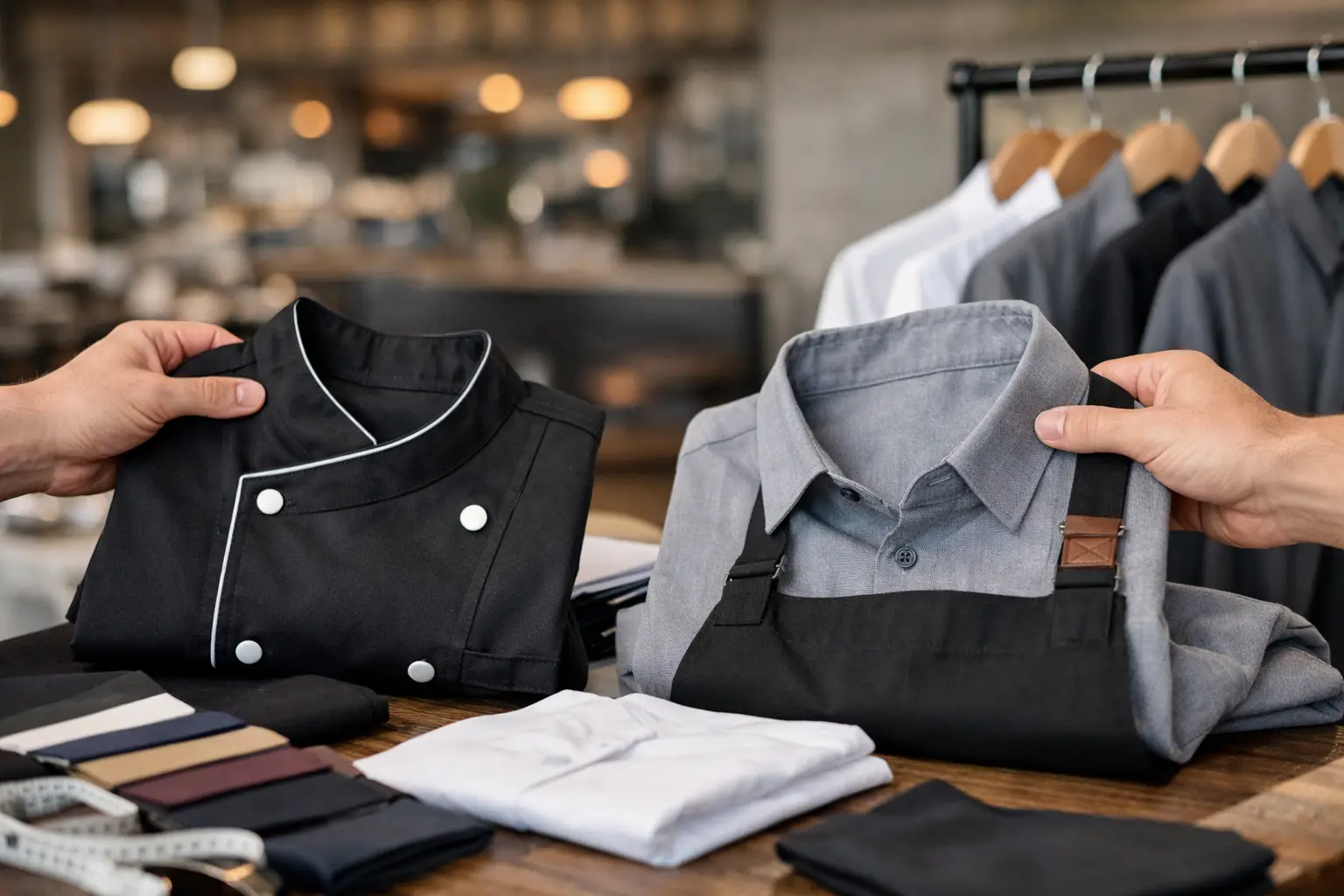
A school uniform rollout is often judged long before the first day of classes. Families notice whether approved items are easy to understand, sizes are available, and logoed pieces look consistent. Administrators feel the pressure in a different way: they need a program that supports school identity, fits a range of students, and does not create avoidable questions for front-office staff.
The strongest uniform programs are not built around a single shirt or a logo file. They are built around a practical plan for products, decoration, ordering, communication, and replenishment. Whether a school is introducing uniforms for the first time, updating its dress code, or adding branded spirit wear, the details determine whether the launch feels organized or rushed.
Start the School Uniform Rollout With Clear Standards
Before selecting garments, establish what the uniform is meant to accomplish. Some schools need a simple daily dress code with polos, shorts, pants, and outerwear. Others need separate requirements for classroom wear, physical education, athletics, clubs, ceremonies, or staff. A clear purpose keeps the assortment focused and makes it easier for families to purchase what they actually need.
The written policy should answer the questions parents and students will ask first. Which colors are approved? Where must the school logo appear? Are brand alternatives permitted? What is required versus optional? Which layers are acceptable in cooler classrooms or during winter weather? If a garment is not on the approved list, staff should know how it will be handled.
Avoid creating a policy so narrow that it causes supply problems or unnecessary expense. For example, requiring one exact pant style may create frustration when that style is temporarily unavailable. In many cases, setting approved colors, fabric expectations, and fit guidelines gives families flexibility while preserving a polished, consistent appearance. The right balance depends on the school’s culture, age groups, and enforcement approach.
Build an assortment families can use
A uniform collection works best when it covers everyday needs without becoming overwhelming. Core pieces typically include polos or button-front shirts, bottoms, outerwear, and PE or activity apparel where needed. Optional items might include quarter-zips, cardigans, performance shirts, hats for outdoor events, or school spirit apparel.
Think through the Southwest Florida climate as well as the school calendar. Moisture-wicking polos and lightweight performance fabrics can be a practical choice for outdoor arrival, recess, athletics, and campus events. At the same time, students often need layers for air-conditioned classrooms. Offering appropriate options in the same approved colors prevents a patchwork appearance.
Sizing deserves the same attention as style. Younger students need different fit considerations than middle and high school students, and adult sizing may be necessary for older students, volunteers, and staff. Samples and fit guidance help reduce exchanges, especially when families are ordering decorated garments that cannot simply be returned to stock.
Set a Timeline That Protects the First Day
A successful rollout begins earlier than many schools expect. Product selection, sample approval, logo preparation, decoration setup, ordering, receiving, quality checks, and distribution each require time. Starting early gives decision-makers room to compare garments and confirm details rather than accepting a last-minute substitute.
Begin by working backward from the date uniforms need to be in students’ hands. Include time for administrative review, a family announcement, sample fittings or size collection, order deadlines, production, and pickup or distribution. Build in a buffer for late registrations, growing students, and the occasional backordered item.
Decoration choices affect the schedule. Embroidery creates a traditional, durable look for polos, jackets, and staff apparel, but it requires careful logo digitizing and proper garment stabilization. Screen printing can be efficient for larger quantities of T-shirts and spirit wear, particularly when the artwork uses a limited number of colors. A trusted uniform partner can recommend the method that best fits the fabric, artwork, quantities, and budget.
Do not wait until bulk goods arrive to review the logo. Confirm the approved artwork, thread or ink colors, logo placement, and garment color early. A sample or proof gives school leaders a chance to see how the logo reads at actual size. Fine lines, very small text, and color changes can look different on fabric than they do on a computer screen.
Make Ordering Simple for Parents and Staff
A uniform policy can be well designed and still create confusion if ordering is difficult. Families should receive a straightforward explanation of required items, optional items, size guidance, dates, and where to get help. Keep the language direct. A parent should not have to interpret a long policy document to determine whether their child needs two polos or a PE shirt.
For a school-wide launch, it helps to separate the message into categories: daily uniform, required program-specific items, outerwear, and optional spirit wear. Include a clear deadline for orders needed before the first day, then explain how late orders and replacements will be managed. This reduces calls to the school office and makes expectations fair for everyone.
In-person fitting support can be especially valuable for new programs and younger grades. It gives families confidence in their selections and helps prevent the common problem of ordering multiple sizes just to see what fits. Schools with limited storage may prefer scheduled fittings, pickup windows, or a phased distribution plan rather than receiving every order at once.
Staff uniforms should be planned alongside student uniforms, not after them. Teachers, front-office personnel, coaches, food service teams, and maintenance staff may need distinct garments, name embroidery, department identifiers, or more durable workwear. Coordinating these needs from the beginning presents a unified image across campus.
Choose a Partner That Can Support the Full Program
The least expensive garment is not always the lowest-cost choice. A shirt that shrinks, fades, twists, or loses its decoration may lead to replacement purchases and parent dissatisfaction. Look for quality garments that fit the school’s use, then confirm that colors and styles can be replenished throughout the year.
Local service also matters when a school needs a replacement polo, a new staff name badge, an added team order, or help resolving a sizing issue. United Uniforms / Sew Shore brings local uniform retail experience and in-house decoration capabilities to programs that need more than a one-time bulk order. That combination can simplify logoed apparel, patches, monograms, staff wear, and ongoing additions as enrollment changes.
Ask practical questions before committing to an assortment. How will product availability be monitored? What is the process for adding new students midyear? Can the provider maintain consistent logo placement across different garment types? What happens if a preferred item is discontinued? Clear answers before launch prevent frustrating surprises later.
Prepare for the First Weeks and the Rest of the Year
The first few weeks are not the end of the rollout. They are the period when schools learn where the policy or product mix needs adjustment. Track the questions families ask most often. If parents repeatedly ask whether a navy sweatshirt is approved, the guidance may need to be more specific. If one size or style sells out quickly, future ordering quantities may need to change.
Keep a modest plan for replacements and new enrollment. Students outgrow uniforms, spill paint on polos, join midyear, and need extra items for school activities. A reliable replenishment path protects consistency without forcing families to start over each time they need one additional piece.
It is also worth reviewing the program after the first semester. School leaders can assess product durability, fit feedback, ordering challenges, and compliance concerns. Small adjustments, such as adding a better warm-weather option or clarifying acceptable outerwear, can improve acceptance without changing the school’s visual identity.
A well-run uniform program gives students a clear sense of belonging while giving families a dependable way to meet expectations. When the products, decoration, communication, and replenishment plan are handled with care, the uniform becomes one less thing a school community has to worry about on a busy morning.