
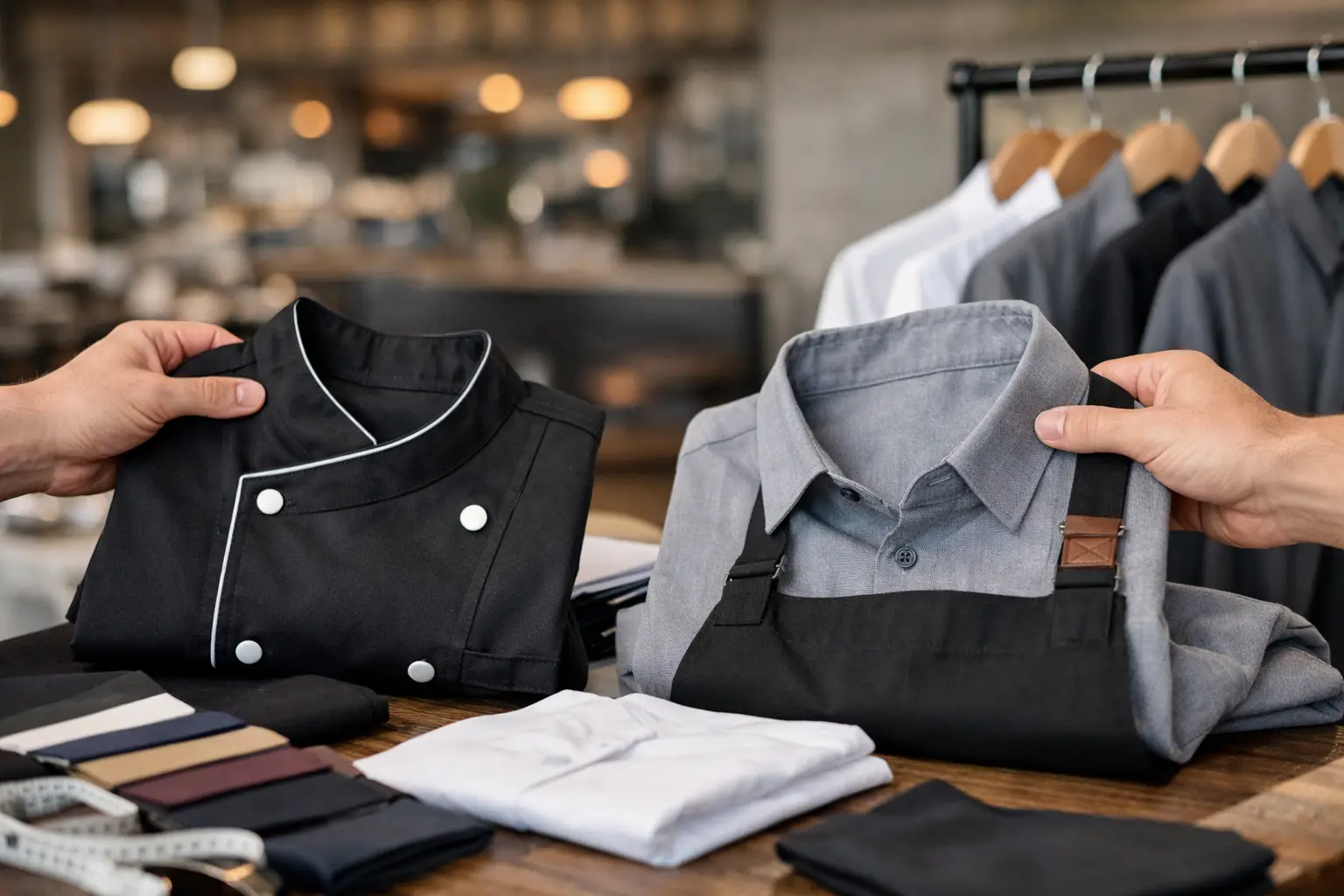
A polished uniform can create the right first impression, but it cannot compensate for footwear that leaves employees uncomfortable, exposed to hazards, or unprepared for the work in front of them. The right safety footwear protects your people, supports their performance, and helps your organization present a consistent, professional image from the ground up.
For Southwest Florida businesses, footwear decisions also have to account for heat, rain, wet entryways, long shifts, and the demanding environments found in healthcare, hospitality, construction, public works, food service, and warehouse operations. A good-looking shoe is not automatically a safe one, and the most protective boot is not always the best fit for every role. The goal is to match the footwear to the actual work.
Start With the Hazards, Not the Catalog
The most effective footwear program begins with a clear look at where employees work and what can happen during a normal shift. A restaurant server may need dependable slip resistance on wet tile and kitchen floors. A maintenance technician may encounter sharp objects, uneven surfaces, electrical risks, and falling materials. A medical employee may need comfort, cleanability, and stable traction through long hours on hard flooring.
When selecting footwear, consider the conditions employees face repeatedly, not only the worst-case scenario. Look at flooring, exposure to water or chemicals, moving equipment, heavy materials, outdoor work, temperature, and how far employees walk each day. A supervisor or safety manager can help identify the hazards that matter most for each position.
This step prevents a common purchasing mistake: assigning one style of work shoe or boot to everyone simply because it appears durable. A single standard can simplify ordering, but it can also create problems if job duties vary significantly. It may make more sense to establish approved footwear options by department or role.
Know What Safety Features Actually Do
Safety features should solve a specific problem. More features do not necessarily make a shoe better for every employee. They can add weight, reduce flexibility, increase cost, or make a style less comfortable during a long shift.
Safety toes protect against impact and compression
Safety-toe footwear is designed to protect the toe area from impact and compression hazards. Depending on the work environment, safety toes may be made from steel, aluminum, or composite materials. Steel is a familiar, durable option. Aluminum can reduce weight, while composite toes are nonmetal and may be useful where metal-free footwear is preferred.
The right choice depends on the required protection level and the work setting. For example, a warehouse employee moving heavy inventory may need a different safety-toe style than a field technician who spends most of the day driving, walking, and meeting customers. Comfort still matters. Footwear that is too heavy or poorly fitted is less likely to be worn properly every day.
Slip-resistant outsoles support safer movement
Slip resistance is one of the most broadly useful features for many organizations. Wet floors, grease, rainwater, spills, loose debris, and smooth surfaces can all create fall risks. Hospitality teams, medical offices, food service staff, custodial crews, and facility workers often benefit from footwear designed to improve traction.
However, not all slip-resistant soles perform the same way on every surface. A shoe that works well in a dry warehouse may not be the best choice for a commercial kitchen. Review the environments employees encounter and choose footwear intended for those conditions. Regular cleaning matters, too. Even a quality outsole loses grip when its tread is packed with grease, mud, or debris.
Other protection may be role-specific
Some jobs call for additional safeguards. Puncture-resistant plates can help where nails, sharp metal, or other penetrating objects are a concern. Electrical hazard-rated footwear may be appropriate for certain electrical work, while static-dissipative footwear can be required in environments where static control is part of the operation. Waterproof or water-resistant materials can also be valuable for outdoor crews and teams working through Florida’s rainy season.
These features should be selected with care. They are not interchangeable, and they do not replace safe work practices or the guidance of your safety program. When compliance standards apply, confirm the exact requirements with the appropriate safety professional, job-site manager, or governing authority before placing a large order.
Comfort Is a Safety Issue, Too
Employees who stand, walk, climb, lift, or move quickly for eight or more hours need more than basic protection. Poorly fitting footwear can lead to fatigue, soreness, blisters, reduced concentration, and inconsistent wear. If team members leave their approved shoes in a locker because they are uncomfortable, the program is not accomplishing its purpose.
Fit should account for toe room, arch support, heel stability, width, and the socks employees wear on the job. A proper fit is especially important with safety-toe styles, which have less forgiving room at the front of the shoe. Encourage employees to try footwear on later in the day, when feet are more likely to be swollen from normal activity, and to walk on a hard surface before deciding.
For organizations purchasing for a group, provide more than one approved option when possible. Offering a boot and a low-profile work shoe, or both men’s and women’s fits, can improve comfort without sacrificing standards. The best footwear program balances consistency with practical flexibility.
Build Safety Footwear Into Your Uniform Standards
Footwear is sometimes treated as an afterthought in a uniform policy. That can lead to mixed colors, inconsistent styles, and unclear safety expectations. A better approach is to include footwear in the same conversation as shirts, pants, outerwear, name badges, and branded workwear.
Your written standard does not need to be complicated. It should clearly explain what employees must wear, which colors and styles are acceptable, what protective features are required for specific roles, and who is responsible for replacement. If employees are expected to provide their own shoes, give them enough direction to make a compliant purchase. If the company provides footwear, define the ordering and replacement process.
A simple standard may specify black or brown slip-resistant work shoes for customer-facing restaurant staff, safety-toe boots for warehouse and maintenance personnel, and clean, closed-toe professional footwear for office or clinical roles. The goal is not to make every team member look identical. It is to make the expectations clear, practical, and aligned with the work.
Consider the Total Cost of the Purchase
The least expensive pair is rarely the least expensive option over time. Footwear that wears out quickly, causes discomfort, or does not meet the demands of the job can lead to frequent replacements and frustrated employees. On the other hand, purchasing the most expensive option without a clear need can strain a uniform budget without delivering additional value.
Look at expected wear, replacement frequency, warranty information where available, ease of cleaning, and the availability of the same style in the future. Consistent availability matters for organizations that onboard new employees throughout the year. A discontinued shoe can make it difficult to maintain a uniform standard.
For larger teams, consolidating approved options also makes purchasing easier. It reduces guesswork for managers, gives employees a clear path to compliance, and helps maintain a cohesive appearance across locations and departments.
Coordinate Footwear With the Rest of the Uniform
A team looks more professional when every element works together. Safety footwear does not need to look overly industrial or out of place with the rest of a uniform. Many modern work shoes and boots offer protective features in clean, professional styles that pair well with embroidered polos, performance shirts, work pants, scrubs, aprons, and branded outerwear.
This is particularly valuable for employees who move between back-of-house duties and customer-facing responsibilities. A facilities employee meeting a client, a restaurant manager stepping onto the floor, or a healthcare support professional assisting visitors should look prepared and professional while still wearing the protection their job requires.
At Sew Shore, uniform programs are planned with the full employee presentation in mind. Coordinating branded apparel with appropriate workwear standards helps organizations create a more consistent team image without losing sight of comfort and job performance.
Review the Program After It Is in Use
The first footwear selection should not be the last conversation. Check in with supervisors and employees after several weeks or months of wear. Ask whether the shoes are holding up, whether the tread performs as expected, and whether employees are experiencing fit issues. Feedback from the people doing the work is often the fastest way to identify a style that looks right on paper but falls short in the field.
A dependable footwear standard is built around real work, not assumptions. When protection, comfort, appearance, and purchasing practicality are considered together, your team has a stronger foundation for every shift.