
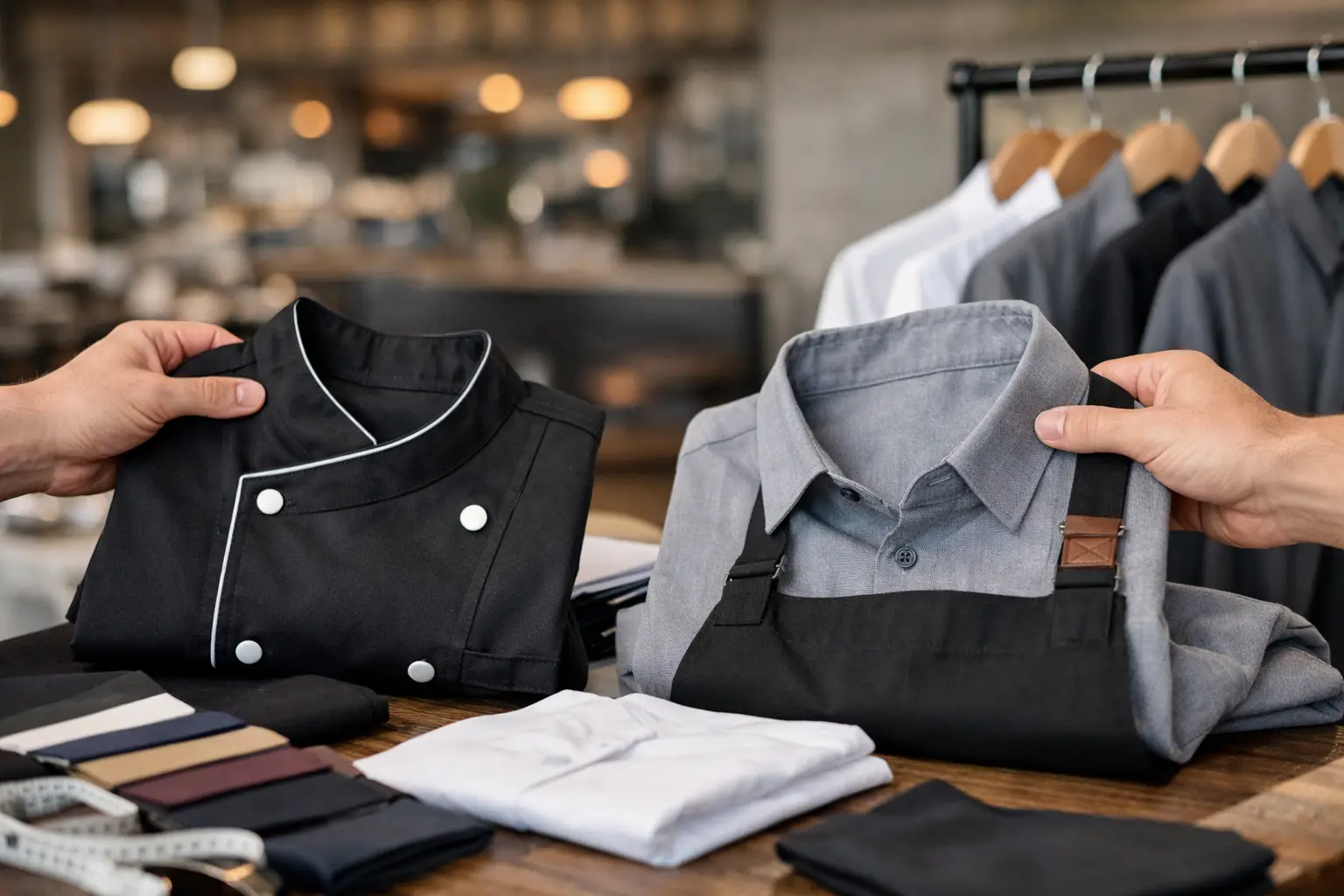
A new set of embroidered polos, medical scrubs, chef coats, or high-visibility work shirts can make a team look organized and ready to serve. But are uniforms tax deductible? The answer depends on who pays for them, how the clothing is used, and whether it is truly work-specific rather than ordinary everyday apparel.
For Southwest Florida employers, uniforms are often more than a dress-code expense. They help patients identify clinical staff, give restaurant teams a consistent presentation, improve jobsite safety, and put a local business name in front of customers. That business purpose can matter at tax time, but the details of the purchase and reimbursement process matter too.
Are Uniforms Tax Deductible for a Business?
In many cases, yes. A business can generally deduct the ordinary and necessary cost of uniforms, protective clothing, and branded work apparel used in its operations. That can include the garments themselves as well as embroidery, screen printing, patches, name personalization, and in some cases cleaning or replacement costs.
The key question is whether the expense has a clear business purpose. A dental practice that supplies embroidered scrubs to its clinical staff, a landscaping company that provides logoed sun shirts, or a hotel that outfits its front desk team in coordinated uniforms has a straightforward operational reason for the expense. These purchases support identification, professionalism, safety, and brand consistency.
For the employer, the deduction is generally a business expense even when an employee could not personally deduct the same clothing. That distinction is useful. A branded polo may be suitable for casual wear outside the office, which can prevent an employee from claiming it as a personal clothing deduction. The business can still have a valid reason to purchase it as part of a required staff appearance program.
A uniform program should be consistent with the role and the workplace. If a business occasionally gives away premium jackets or apparel as a reward, the tax treatment may be different from required job uniforms. Likewise, clothing given to customers at an event may be treated as a promotional or marketing expense rather than a uniform expense. Your tax professional can help classify expenses correctly in your records.
Clothing That Usually Has a Stronger Business Case
Workwear has the strongest tax footing when it is required for the job and clearly tied to the work being performed. Scrubs, lab coats, chef coats, flame-resistant garments, safety vests, hard hats, and industry-specific uniforms are common examples. Apparel carrying a permanent company logo, employee name, department identifier, or required patch can also support the business purpose of a uniform program.
The business case becomes less clear when the clothing is ordinary streetwear with no required branding or job-specific function. A suit, dress shoes, plain khakis, or a standard white shirt may be required by an employer, but those items are normally adaptable to everyday use. Calling them a uniform does not automatically make them deductible for the employee.
Employee Deductions Follow Stricter Rules
For individual employees, the rule is more limited. Work clothing is traditionally deductible only when two tests are met: it must be required as a condition of employment, and it must not be suitable for ordinary wear. Both conditions matter.
A firefighter’s protective gear, a nurse’s required scrubs, or a theatrical costume may meet that standard. A corporate shirt, business suit, or shoes purchased to meet a workplace dress code generally does not, even if the employee would never have bought those items otherwise.
There is another major consideration: most W-2 employees generally cannot take a federal deduction for unreimbursed employee business expenses, including qualifying uniform costs. A few specialized taxpayer categories may have exceptions, and tax rules can change. Employees should speak with a qualified tax preparer about their individual situation instead of assuming a uniform purchase will reduce their taxable income.
Florida does not impose a personal state income tax, but federal tax treatment and a business’s federal filing obligations still apply. For a Florida employer, that makes a clear reimbursement policy especially valuable when staff members are required to buy specific apparel.
Reimbursements Can Be Better Than Asking Employees to Pay
When a company requires employees to wear a particular uniform, reimbursement or direct company purchase is often the cleanest approach. It gives the business control over color, quality, logo placement, and consistency while keeping the cost from falling on individual team members.
Under an accountable reimbursement plan, a business typically requires employees to document the work-related expense, return any excess reimbursement, and submit records within a reasonable period. Properly handled reimbursements may be deductible to the business and may avoid being treated as taxable wages to the employee.
A casual allowance with no documentation can produce a different result. If an employer gives employees a flat clothing payment and does not require receipts, substantiation, or return of unused funds, payroll treatment may be required. The payment could be taxable compensation rather than a non-taxable reimbursement.
This is why an office manager, practice administrator, or operations leader should involve both the payroll provider and tax advisor before rolling out a new allowance. The goal is not to make the process complicated. It is to establish a policy that matches the way the company actually purchases and distributes uniforms.
A practical policy might state which positions receive uniforms, how many pieces are issued, approved garment colors, whether staff may order additional pieces, replacement rules, and whether personal purchases are reimbursable. It should also explain what happens when an employee leaves the company, particularly with costly outerwear, specialty gear, or branded inventory.
Keep Records That Tell the Full Story
Good documentation protects the deduction and makes reorders easier. Keep invoices that show the vendor, order date, garments purchased, decoration charges, and total cost. If the order serves several departments or locations, retain the order breakdown as well.
It also helps to keep a copy of the dress-code or uniform policy. This connects the expense to a real business requirement instead of leaving an invoice for shirts or jackets without context. For reimbursement programs, save employee receipts, reimbursement forms, and approval records with the accounting file.
For larger organizations, assign uniform spending to the proper department or cost center. A restaurant may separate front-of-house shirts from kitchen coats. A medical group may track scrubs by clinic. A construction company may distinguish everyday branded apparel from safety equipment. These details support cleaner bookkeeping and better control of future uniform budgets.
Plan the Order Around the Job, Not Just the Logo
Tax treatment should never be the only reason to choose a uniform. The right program starts with the work itself. Healthcare teams need comfortable, durable fabrics that hold up to frequent laundering. Hospitality staff need a polished look that remains practical through long shifts. Outdoor crews need breathable, visible apparel suited to Florida heat and sun exposure.
Decoration should reinforce that purpose. Embroidery offers a professional, long-lasting finish for polos, scrubs, outerwear, and caps. Screen printing can be efficient for larger runs of T-shirts and event apparel. Patches, name personalization, and role identifiers can help customers quickly recognize the right person to assist them.
At Sew Shore, uniform projects are approached as an operating need, not simply an apparel order. Selecting garments, organizing logo placement, and planning reorders can help a business maintain a consistent professional image as its team grows.
Before placing a large order, confirm who owns the garments, who will wear them, whether the apparel is required, and how costs will be recorded or reimbursed. Then let your tax advisor review the approach that fits your entity and payroll setup. A well-planned uniform program supports the people wearing it, the customers they serve, and the business behind the logo.