A missed size run, a logo that stitches poorly, or shirts that shrink after two washes can turn a simple apparel order into a problem your team keeps dealing with for months. That is why choosing the right custom corporate apparel supplier matters more than many businesses expect. The supplier you choose affects not only how your staff looks, but also how smoothly your ordering, onboarding, reordering, and brand presentation work over time.
For businesses in Southwest Florida, apparel is rarely just apparel. It has to hold up in heat, humidity, repeated washing, and active work environments. It also needs to fit the way your organization operates. A medical office may need easy-care polos for front desk staff and scrubs for clinical teams. A restaurant may need branded button-downs, aprons, and hats. A property management company may need high-visibility workwear for field staff and polished branded pieces for office teams. The right partner understands those differences and helps you build a program that makes sense.
What a custom corporate apparel supplier should actually provide
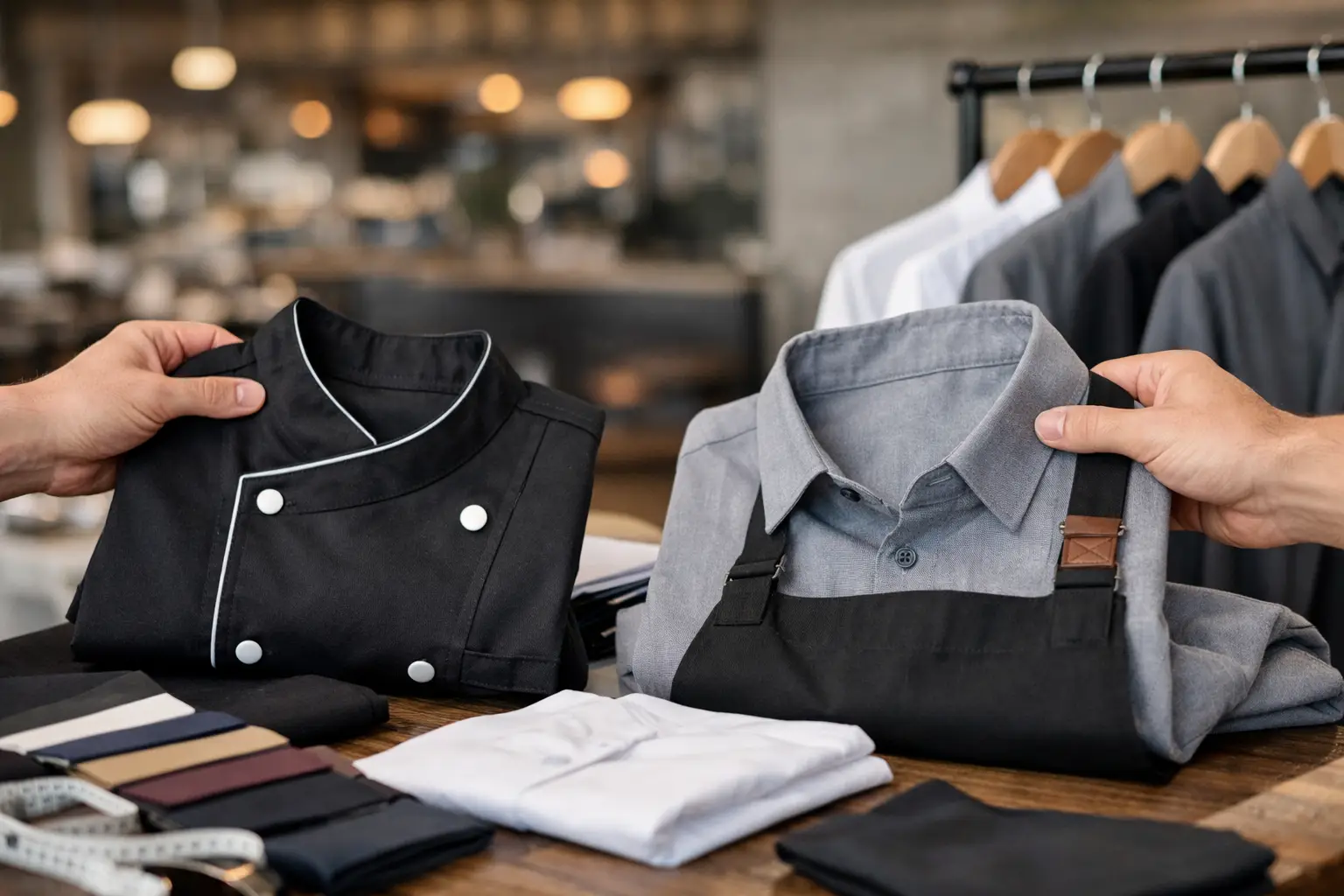
A good supplier does more than put a logo on a shirt. They help you choose garments that fit your work environment, your budget, and your brand standards. That means guiding you through decoration methods like embroidery, screen printing, patches, or monograms based on the material, the logo detail, and how the item will be used.
For example, embroidery often works well for polos, button-downs, outerwear, and uniforms where a clean, professional finish matters. Screen printing may be a better fit for larger runs, event shirts, or designs with broader graphic coverage. If your supplier cannot explain why one method fits better than another, you may end up paying for decoration that looks good in a sample but performs poorly in real use.
A dependable partner should also help with consistency. When different departments order at different times, brand colors, logo placement, and garment choices can drift. Over time, that creates a mismatched appearance. A supplier with organized processes can help standardize those details so your team looks like one company, not several separate groups.
Why local experience matters in a custom corporate apparel supplier
There is a difference between placing an order online and working with a supplier that understands your market. Local businesses, schools, healthcare groups, municipalities, hospitality teams, and contractors often have very different ordering needs from a generic national buyer. They may need name personalization, recurring staff additions, department-specific garments, or help matching existing uniforms.
A local custom corporate apparel supplier can also make the process easier when timing matters. If you need to review fabrics, compare garment options, confirm logo placement, or coordinate a reorder, direct communication saves time. It is especially helpful for organizations managing multiple employees, multiple job roles, or ongoing hiring.
That local advantage becomes even more important when you need a true service partner rather than a one-time order taker. Many businesses are not looking for a few promotional shirts. They are looking for a reliable source for staff apparel, branded presentation, and future reorders. In that situation, responsiveness and accountability matter just as much as price.
The questions worth asking before you place an order
The best buying decisions usually come down to a few practical questions. Can the supplier handle both small and large runs? Do they offer in-house embroidery or printing, or are they brokering the work elsewhere? Can they help with art preparation and logo cleanup if needed? Do they have access to multiple brands and garment categories, or only a narrow catalog?
You should also ask about turnaround times, reorder processes, and how they handle sizing. A polished sample means very little if the full order arrives late or half the team receives garments that do not fit. An experienced supplier should be comfortable talking through production schedules, approval steps, and what can affect timing.
It is also wise to ask how they manage customer-supplied items. Some organizations prefer to source products themselves, while others want a one-stop partner that provides both the garments and the decoration. Neither approach is automatically better. It depends on your priorities, budget, and how much risk you want to carry if a product does not decorate well.
Apparel selection is not one-size-fits-all
One of the biggest mistakes companies make is choosing apparel based only on cost per piece. The least expensive option can become the most expensive if it wears out quickly, looks inconsistent, or creates complaints from employees who have to wear it every day.
Different industries need different things. Healthcare teams often prioritize comfort, easy care, and a clean professional appearance. Hospitality groups may need stain resistance, lightweight fabrics, and coordinated front- and back-of-house options. Corporate offices may want elevated polos, woven shirts, quarter-zips, and outerwear that work well for both staff use and client-facing events. Schools and government departments may need dependable reordering and clear program consistency over time.
A knowledgeable supplier helps you think through those details before production starts. They can point out when a fabric is likely to perform better in Florida weather, when a logo may need to be simplified for embroidery, or when an alternative garment will give you a more polished result within the same budget range. That kind of guidance prevents avoidable problems.
In-house decoration changes the process
When decoration is handled in-house, you typically get better control over quality, communication, and scheduling. That does not mean every outside production partner is a problem, but it does mean there are fewer handoffs and fewer opportunities for errors when one team manages more of the process directly.
For buyers, that often translates into clearer proofs, better alignment on thread colors or print placement, and faster answers when changes are needed. It also helps when you are coordinating more complex orders that include multiple garment styles, employee names, patches, or mixed decoration methods.
For many organizations, this is where experience shows. A supplier that has been handling custom uniforms and branded apparel for years has likely seen the common issues already. They know when a lightweight performance fabric needs a different approach than a cotton polo. They know when a detailed logo will not scale well. They know how to help a customer avoid ordering a great-looking item that does not hold up in the field.
Pricing matters, but so does the full cost of the job
Every buyer has a budget. That is realistic, and any good supplier should respect it. But the lowest quote is not always the best value.
If the garments fade early, if reorders become inconsistent, or if the decoration starts to fray, your business pays for that in replacement costs and in team presentation. There is also an administrative cost when your office manager, practice manager, or purchasing team has to spend extra time fixing preventable issues.
A better way to evaluate pricing is to look at the full picture. Ask what is included in the quote, how art setup is handled, whether there are minimums, what affects turnaround time, and how reorders are priced. A reliable supplier should be direct about all of that. Honest communication builds trust and helps buyers make decisions with fewer surprises.
What long-term support looks like
The best supplier relationships do not end at delivery. They continue through reorders, staff additions, seasonal changes, special events, and program updates. If your business is growing, opening another location, refreshing its logo, or adding new departments, you need a partner that can adjust with you.
That is where established local providers often stand apart. They are set up to help organizations maintain continuity, not just complete one transaction. In a market like Naples and the surrounding area, that matters. Businesses want partners who answer the phone, know their account history, and can help keep branding consistent across uniforms, corporate apparel, and related promotional products.
Companies such as Sew Shore have built their reputation on that kind of day-to-day reliability. It is not just about decoration equipment or product access. It is about helping customers make good decisions, keeping orders on track, and delivering work that reflects well on the organization wearing it.
If you are evaluating suppliers, look beyond the catalog and ask who will still be useful to your business six months from now. The right partner should make branded apparel easier to manage, easier to reorder, and easier to trust.